
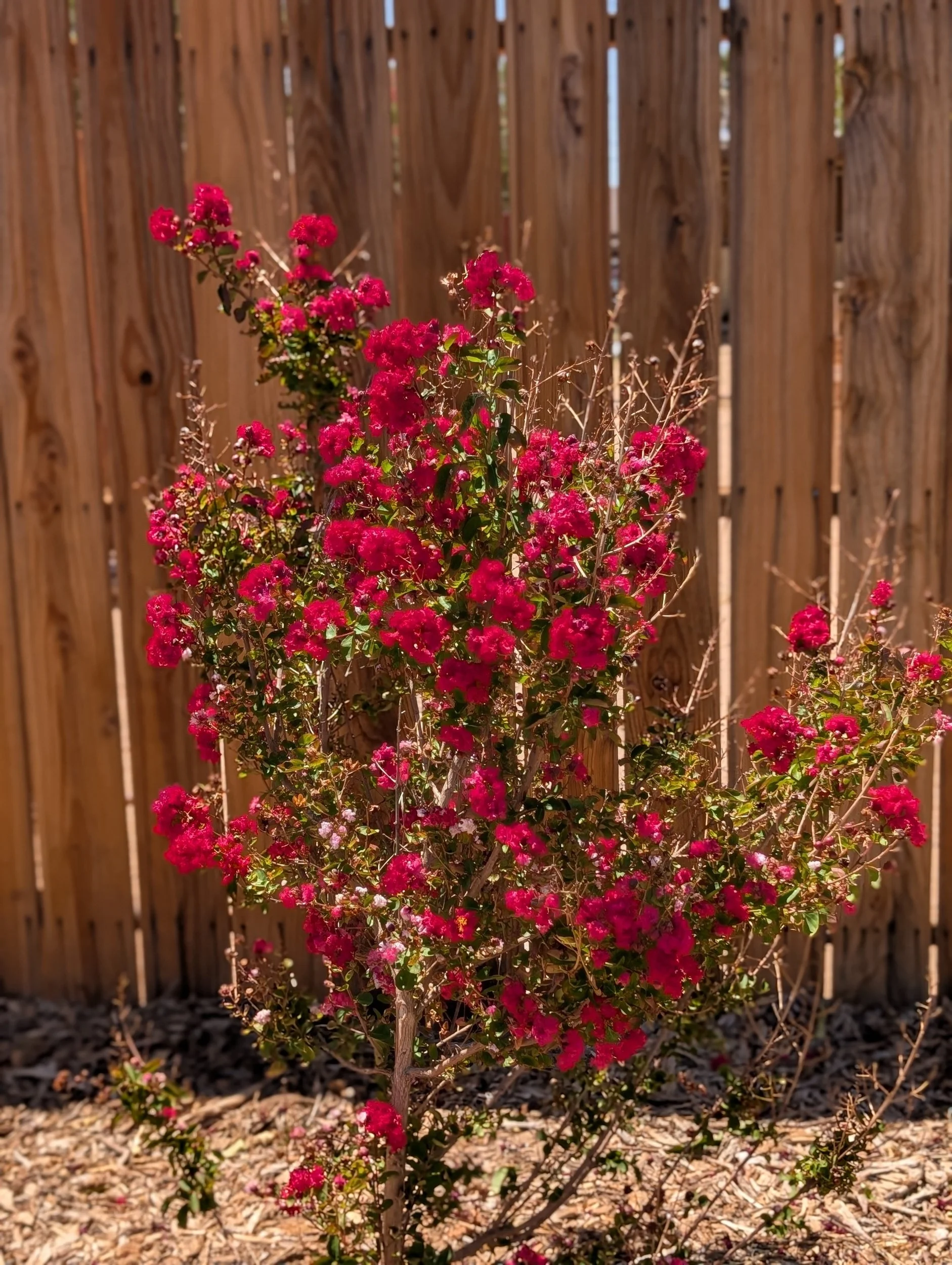
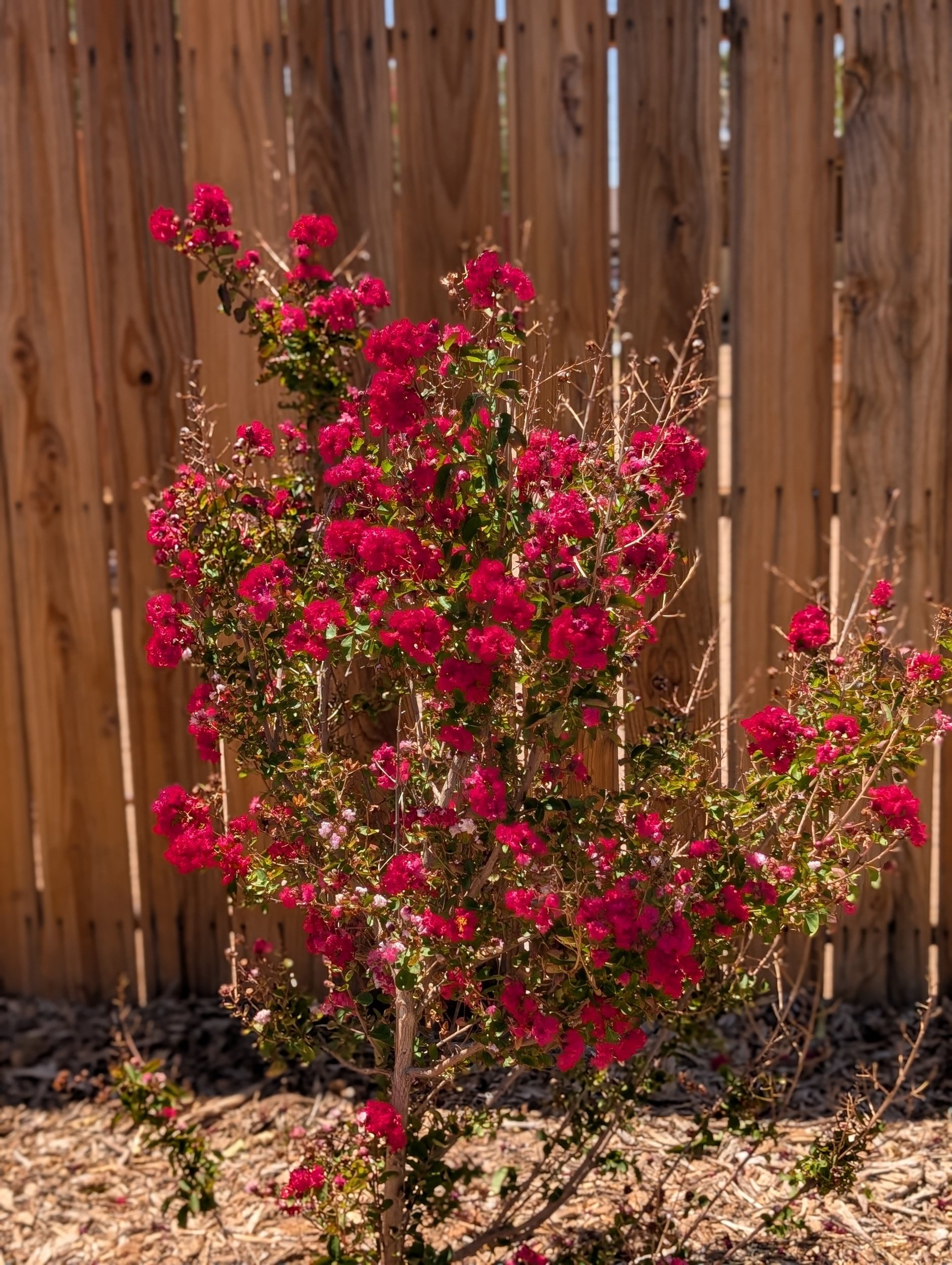
In a harsh desert climate, the best time to plant any tree is not the traditional spring, but rather fall and late winter. For flowering trees, establishing a strong, deep root system before the brutal summer heat arrives is absolutely paramount to survival and future blooms.
Optimal Planting Window
The ideal time to plant flowering trees (think beautiful desert-adapted species like Palo Verdes, Desert Willows, or even Texas Mountain Laurels) is during a specific cool season window. This window extends from September to early November in the fall, or from January to mid-February in the late winter.
Why Fall Planting Works:
Planting in the fall is arguably the best strategy. The soil is still warm enough to encourage rapid root growth, but the air temperatures are mild, which significantly reduces transplant shock. By planting between September and November, your tree has a good seven to eight months of mild weather to establish its roots before the next summer’s severe heat stress. Just be sure to avoid planting too late in the season (after November), as root growth will slow down too much during the coldest months.
Why Late Winter Planting Works:
If you miss the fall window, planting during the late winter—from January to mid-February—is your next best bet. During this time, dormant trees are easily transplanted. The mild temperatures of late winter and early spring rains (if your area receives them) help quickly anchor the new tree. Be careful to avoid planting in early spring (March or April); this gives the roots only a short, stressful window to establish before the searing heat and drying winds of summer begin.
Pro Tip: When planting, ensure the hole is at least twice as wide as the root ball but no deeper. The top of the root ball should always be level with or slightly above the surrounding soil to prevent water pooling and subsequent trunk rot.